

Where Healing Meets Peace
Welcome to MysticQuoteMama- a gentle space for healing, self-discovery, and soulful transformation.
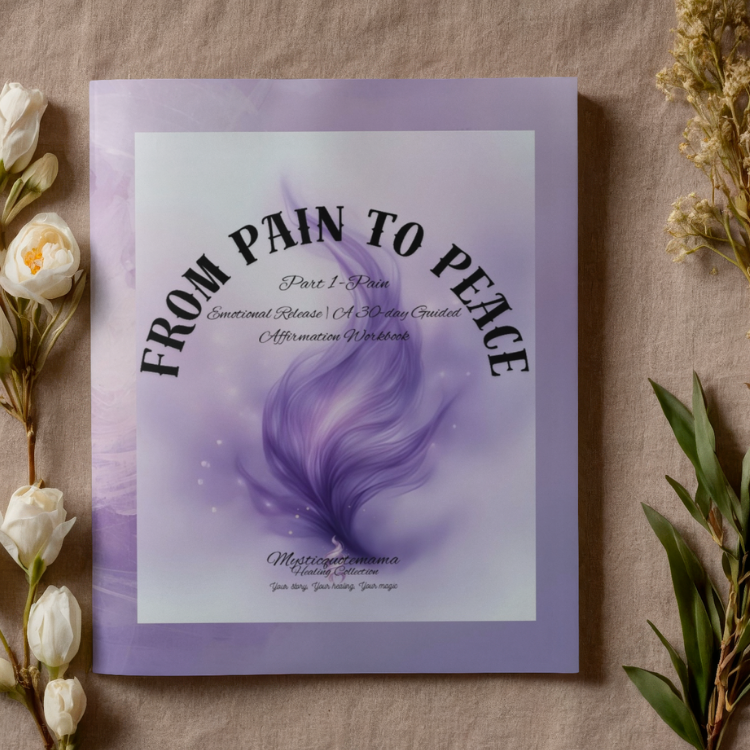
This blog is your gentle space for emotional healing, mindful reflection, and spiritual growth.
Here you’ll find journal prompts, affirmations, trauma-informed guidance, and soft reminders to help you heal — one page at a time.

Written by MysticQuoteMama
Healing emotional trauma is not a quick or simple journey. It takes softness, time, and moments of deep self-connection. Journaling gives you a safe space to release heavy emotions, understand your experiences, and reconnect with your voice — especially if trauma silenced it for a long time.
Why Journaling Works for Trauma Healing
1. It creates a safe place to express emotions
Writing lets you say the things you’ve held inside — the things you couldn’t speak out loud.
On paper, you are safe to feel, name, and release.
2. It helps your body process what your mind avoids
Trauma often lives in the body.
When you journal, your nervous system begins to soften.
Your body releases tension as you put words to what has been holding you hostage.
3. It helps you see your healing more clearly
Your mind forgets how far you’ve come — your journal doesn’t.
4. It returns your power
Trauma takes your voice.
Journaling gives it back.
Simple Prompts to Begin Healing
– What emotion am I holding in my body today?
– What do I need to feel safe right now?
– What truth am I ready to acknowledge?
Ready to go deeper?
My Pain to Peace Journal gently guides you through emotional release, reflection, and healing — step by step.
Download the PDF on Etsy.
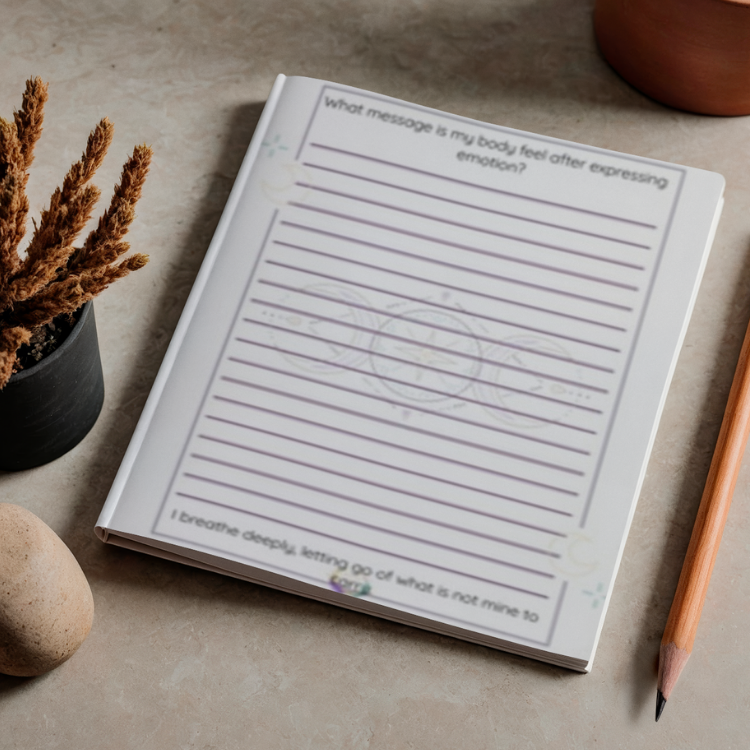
For Healing, Letting go & Returning to Yourself
30 Journal Prompts to Release Emotional Pain
For Healing, Letting Go & Returning to Yourself
Letting go is not easy — especially when the pain has lived with you for years. These prompts are written to help you release, breathe, and create space for peace.
Emotional Release Prompts
Self-Compassion Prompts
Letting Go Prompts
Moving Forward Prompts
For the full 30 days of guided emotional release, explore the Pain to Peace Journal on Etsy.

Written by MysticQuoteMama
Losing yourself happens quietly.
Sometimes it’s trauma.
Sometimes it’s heartbreak.
Sometimes it’s survival mode.
But the beautiful truth is:
You can find yourself again — gently, and at your own pace.
Signs You’ve Become Disconnected
– You don’t know what you want anymore
– You feel numb or detached
– You avoid your emotions
– You feel like you're watching your life instead of living it
How to Begin Reconnecting with Yourself
1. Start listening inward
Ask yourself what you feel, what you need, what you desire.
Let your answers be soft.
2. Create intentional stillness
When everything is loud, your inner voice hides.
Give it space.
3. Journal to rediscover your identity
Guided journaling helps you remember who you are beneath the pain.
4. Reclaim joy slowly
Small joys rebuild the spirit.
My Becoming Me Again Journal was created for this exact season of life — to help you remember, reconnect, and rise. Available as a PDF on Etsy.
Finding space to explore your emotions through guided journaling can be a gentle step toward healing and self-discovery. Each page invites mindfulness and reflection, helping you nurture emotional wellness with care and creativity. Let’s share stories and journaling tips that inspire growth and bring light to your personal path. 🌿✨🖊️
Journaling is a powerful tool for healing and growth. By putting pen to paper, you unlock emotions and insights that might otherwise remain hidden. This practice not only nurtures emotional wellness but also fosters creativity and self-awareness. As you write, you begin to see patterns, process feelings, and ultimately find peace within yourself. Your journey of self-discovery is a beautiful narrative waiting to be told.
Begin today and witness the transformation of your inner world into a story of strength and resilience.


Writing offers a unique path to personal growth. It allows you to reflect on your experiences, set intentions, and track progress in a tangible way. Each entry becomes a stepping stone toward understanding and empowerment. By engaging with your thoughts and emotions, you develop a deeper connection with your true self, enabling breakthroughs and revelations that guide your personal journey.
Continue to embrace this opportunity to grow and connect with your inner self.
Taking time to connect with your inner self through journaling opens doors to increased self-awareness and emotional clarity. By exploring your thoughts on paper, you create a safe space for introspection and healing. This intimate process fosters a sense of empowerment and encourages you to listen to your inner voice, leading to profound personal insights that support your growth.
Start your healing journey now!! and discover the empowerment that comes from knowing yourself more deeply.
P.S. Ready to explore your path to peace? Let your pen guide you to self-discovery.
Affirmations are powerful — not because they “fix” you, but because they help you gently rewrite the beliefs that trauma created.
Why Affirmations Work
They soften negative self-talk
They retrain the mind toward safety and hope
They help you reconnect with your worth
They slowly rebuild confidence and inner trust
How to Use Affirmation Cards
– Pull one card each morning
– Use it as a journaling prompt
– Place one on your mirror
– Keep one in your bag for grounding
– Use during meditation
Healing Affirmations You Can Start With
“I am becoming myself again.”
“I am safe to heal.”
“My light is returning.”
“I deserve softness.”
“I am rising.”
The Echoes of Light Affirmation Cards are coming soon — created to help you heal, awaken, and rise.

Healing doesn’t always look like light and clarity.
Sometimes it looks like crying more, resting more, or feeling confused — and that is still healing.
Signs You’re Healing Even When You Can’t See It
These are not “setbacks.”
These are signs your soul is rearranging itself into something softer and stronger.
Support your healing journey with the Rise and Remember Journal, available as a PDF on Etsy.

Stress feels like a constant shadow, doesn’t it? You’ve probably tried calming your mind, only to find the mess inside keeps swirling. Journaling offers a gentle way to turn that noise into stillness—grounded in science, it helps your mind find peace through mindfulness and emotional healing. Let’s explore how putting pen to paper can guide your personal growth and invite serenity into your life. 🌿
Explore our soulful journals designed to support your mindfulness journey and start transforming stress into serenity today! For more on the benefits of journaling, check out this article.
Understanding how stress affects you is the first step toward finding relief. It’s not just in your head; stress impacts your whole body. But what if a simple daily practice could ease that burden?
Stress isn't just a feeling. It's a physical response that can harm your body over time. When you're stressed, your body releases hormones that increase your heart rate, raise your blood pressure, and prepare you to react. While this response is useful in emergencies, constant stress can lead to serious health issues like heart disease and anxiety.
Your body isn't meant to stay in this state. That's where stress-reduction techniques come in. Simple habits, like journaling, can help shift your body out of stress mode. Writing gives you a safe space to explore and release your worries. It’s like having a conversation with yourself, one that opens the door to understanding and healing.
Ever wonder why writing can feel so calming? Science has the answer. Journaling activates areas of your brain involved in emotional regulation and self-control. According to this study, expressive writing can help reduce stress, enhance mood, and even boost your immune system.
When you journal, you engage both sides of your brain. The logical left side processes words and structure, while the creative right side embraces feelings and intuition. This collaboration can lead to increased clarity and emotional balance. By writing down your thoughts, you create a mental shift that can soothe stress and promote a sense of calm.
Using a journal for mindfulness is more than just scribbling thoughts. It’s about creating a dialogue with yourself that fosters healing. This process can lead to profound self-discovery and emotional release.
Journaling isn’t just about recording events; it’s a tool for exploring your inner world. As you write, you may uncover patterns in your thoughts and emotions. These insights can lead to greater self-awareness and understanding.
Consider this: each page is a new opportunity to learn about yourself. Journaling can reveal hidden fears and dreams, helping you understand what drives your reactions. It’s like holding a mirror to your soul, reflecting back the truths you need to see.
You might wonder how to start journaling if you've never tried it before. Guided journals can be an excellent way to begin. They provide prompts and structure, which can help you explore emotions and themes you may not have considered.
Guided journals can act as a supportive friend, gently nudging you towards deeper insights. They offer a framework that encourages reflection and growth. By focusing your thoughts, guided journals help you unlock emotional healing and personal transformation. For more guidance, check out this article.
Writing isn’t just about healing; it’s a powerful tool for personal growth. When combined with mindful practices, it can significantly enhance your well-being.
Journaling helps you process emotions in a healthy way. It allows you to express feelings you might otherwise suppress. This practice can reduce anxiety and help you manage emotional turmoil.
Consider writing about a challenging event in your life. As you explore your feelings, you might see the situation in a new light. This shift in perspective can be healing, offering closure and peace. Writing allows you to reframe painful experiences, turning them into sources of strength and resilience.
Creating a routine that includes journaling is a simple step toward a more mindful life. Start small. Set aside just five minutes a day to jot down your thoughts. This small commitment can have a big impact over time.
As you build this habit, you'll likely notice shifts in your awareness and mood. Writing regularly can deepen your mindfulness practice, making it easier to stay present and calm. By weaving journaling into your daily routine, you nurture a space for ongoing personal growth and emotional healing. For more on mindfulness and meditation practices, explore this article.
Incorporating journaling into your life can transform stress into serenity. By understanding its benefits and making it a habit, you create a pathway to peace and personal growth. Embrace the journey and discover the profound impact writing can have on your well-being.
Most journaling feels like just putting words on paper—nothing more. Yet, when paired with the right mindfulness tools, your journaling practice can open doors to deeper self-discovery and healing. In this post, you’ll find five soulful tools that invite you to explore your inner world with kindness and clarity. Ready to enrich your personal growth and healing journey? Let’s get started. ✍️💫 Learn more about mindful journaling.
Let's explore tools that deepen your journaling. Each one offers a unique way to connect with yourself. Ready to dive in?
Breathe in deeply, and let yourself relax. Breathwork is a tool that helps you tap into your inner world. By focusing on your breath, you can quiet your mind and uncover hidden thoughts. Imagine taking a few minutes to breathe before you start writing. This simple act can clear your mind and make room for fresh ideas.
When you feel stressed, breathwork can guide you back to calm. It acts like a reset button for your emotions. Just a few deep breaths can change your outlook and enhance your journaling time. Many find that mindful breathing encourages honesty in their writing. It’s a peaceful way to start any journaling session.
Picture yourself in a quiet space, reflecting on your day. Meditation helps you center your thoughts, making your journaling more meaningful. By meditating before you write, you gain clarity on what truly matters. It’s like wiping a foggy mirror clean; suddenly, everything becomes clearer.
Incorporate a simple meditation technique to deepen your reflection. Sit quietly, close your eyes, and focus on your breath. Let your thoughts flow like a gentle stream. This practice can reveal insights you might overlook in the day’s hustle. Try dedicating five minutes to meditation before picking up your pen, and watch your self-discovery journey unfold.
With these tools, you'll find new ways to grow. They not only add depth to your journaling but also enrich your journey within.
Close your eyes and imagine your future self achieving a dream. Visualization is a tool that empowers you. It bridges the gap between your current and future self. By picturing your goals, you create a roadmap in your mind.
Start your journaling session by visualizing a specific scenario. Write down what you see, feel, and hear. This exercise helps bring your desires to life. It aligns your actions with your goals, making them more attainable. Visualization turns abstract dreams into concrete plans, fueling your personal growth.
Words are powerful. Affirmations remind you of your strengths and capabilities. They shift your mindset from doubt to belief. Repeating positive statements daily can transform your outlook on life.
Before you write, choose an affirmation that resonates with you. “I am growing and healing every day,” could be a start. As you journal, let this affirmation guide your writing. This practice nurtures your healing journey, empowering you to face challenges with confidence. Discover more about the benefits of affirmations here.
Now that you've explored various tools, let's focus on practices that make your journaling even more rewarding.
Think of a moment today that made you smile. Gratitude exercises help you focus on the positives in life. They remind you of the good amidst chaos. By regularly practicing gratitude, you nurture a positive mindset.
Start each journaling session by listing three things you’re thankful for. These could be small moments or grand achievements. This exercise fosters connection with yourself and others. Gratitude journaling invites joy into your life, even during tough times. Learn more about gratitude practices here.
Prompts can spark inspiration. They guide you to explore your thoughts deeply. Mindful prompts are questions or statements that encourage reflection. They help you uncover layers of your emotions and experiences.
Choose a prompt that resonates with your current state. Write down whatever comes to mind without judgment. This practice offers insight into your inner world. It’s like having a conversation with yourself, leading to personal revelations. Check out some effective journaling techniques here.
In conclusion, integrating these mindfulness tools into your journaling can transform your practice. Each tool offers a unique way to explore and understand yourself better. The journey of personal growth is ongoing, and these practices can help you on your path. Embrace them and let your story unfold. 🌟
Most journaling feels like just putting words on paper—nothing more. Yet, when paired with the right mindfulness tools, your journaling practice can open doors to deeper self-discovery and healing. In this post, you’ll find five soulful tools that invite you to explore your inner world with kindness and clarity. Ready to enrich your personal growth and healing journey? Let’s get started. ✍️💫 Learn more about mindful journaling.
Nov 12, 2025 12:16 PM
Welcome to MysticQuoteMama- a gentle space for healing, self-discovery, and soulful transformation.
Nov 11, 2025 1:18 PM
You’ve felt the weight of overwhelm while searching for clarity on your path. Mindfulness tools can offer more than calm—they can guide your self-discovery in deeply personal ways. At MysticQuoteMamaShop, handcrafted journals and soulful items are designed to support your emotional healing and personal growth. Let’s explore how these treasures can honor your unique journey and inspire fresh insight. 🌿✨ Explore more on the path to self-discovery here.
"MysticQuoteMama's journals helped me finally release things I've carried for years.''
Benjamin Wood
"these prompts guided me back to myself"
Lynn Thompson
"I feel lighter, calmer, more connected to who I am"
Yolanda Hartman